Understanding Your Fence Options in Seattle
Choosing the right fence for your Seattle home is more than just picking a style you like. The Pacific Northwest's wet climate, seasonal storms, and year-round moisture create unique challenges that demand careful consideration of material durability and maintenance requirements. Whether you're looking to enhance privacy, define property lines, or add curb appeal, understanding the strengths and weaknesses of cedar, vinyl, and chain link will help you make an informed decision that protects your investment for years to come.
The three most popular fencing materials each bring distinct advantages and drawbacks when installed in the Seattle area. Cedar offers natural beauty and warmth, vinyl provides low-maintenance durability, and chain link delivers affordability and functionality. Your choice ultimately depends on your budget, aesthetic preferences, maintenance tolerance, and long-term plans for your property. Let's explore each option in detail so you can determine which material best suits your needs.
Cedar Fencing: Classic Beauty Meets Seattle's Climate Challenges
Wood & Privacy Fence Installation using cedar remains a popular choice among Seattle homeowners who value the natural aesthetic and timeless appeal that only wood can provide. Cedar is naturally resistant to rot and insects compared to other softwoods, making it a reasonable choice for our rainy climate. The wood ages beautifully over time, developing a silvery-gray patina if left untreated, or maintaining its warm honey tones with regular staining and sealing. Many homeowners love the character and elegance that cedar brings to their landscape design.
However, cedar fencing requires significant ongoing maintenance to prevent deterioration in Seattle's damp environment. The wood must be sealed or stained every two to three years to protect against moisture infiltration, which is the primary enemy of wood fences in the Pacific Northwest. Over time, cedar posts can develop rot, leading to the need for fence post repair or fence post replacement. Additionally, a leaning fence is often the first sign that your fence posts have weakened or shifted, which means leaning fence repair may become necessary. If you notice soft spots, discoloration, or structural instability, rotted fence post repair should be addressed immediately to prevent further damage and safety hazards.
Vinyl & PVC Fencing: Low-Maintenance Durability for Wet Climates
Vinyl & PVC Fence Installation has become increasingly popular among Seattle homeowners seeking a maintenance-free alternative to wood. Vinyl fencing is completely impervious to moisture, rot, and insect damage, making it an excellent choice for our region's wet climate. Unlike cedar, vinyl requires no staining, sealing, or regular painting. A simple occasional wash with a garden hose keeps your fence looking pristine, and the material will not warp, crack, or splinter even after decades of exposure to rain and humidity.
The primary consideration with vinyl fencing is the higher upfront cost compared to wood alternatives. Vinyl typically costs 20 to 40 percent more than cedar at installation, though this premium is offset by the elimination of ongoing maintenance expenses over the fence's 20 to 30-year lifespan. Vinyl fencing also offers excellent privacy options, comes in multiple colors and styles, and maintains its appearance without seasonal touch-ups. While vinyl posts can occasionally shift in extreme conditions, they are far less susceptible to the rot and deterioration that plague wood fences in Seattle's climate. This means you're unlikely to face expensive fence post replacement or rotted fence post repair issues down the line.
Chain Link Fencing: Affordable Functionality and Visibility
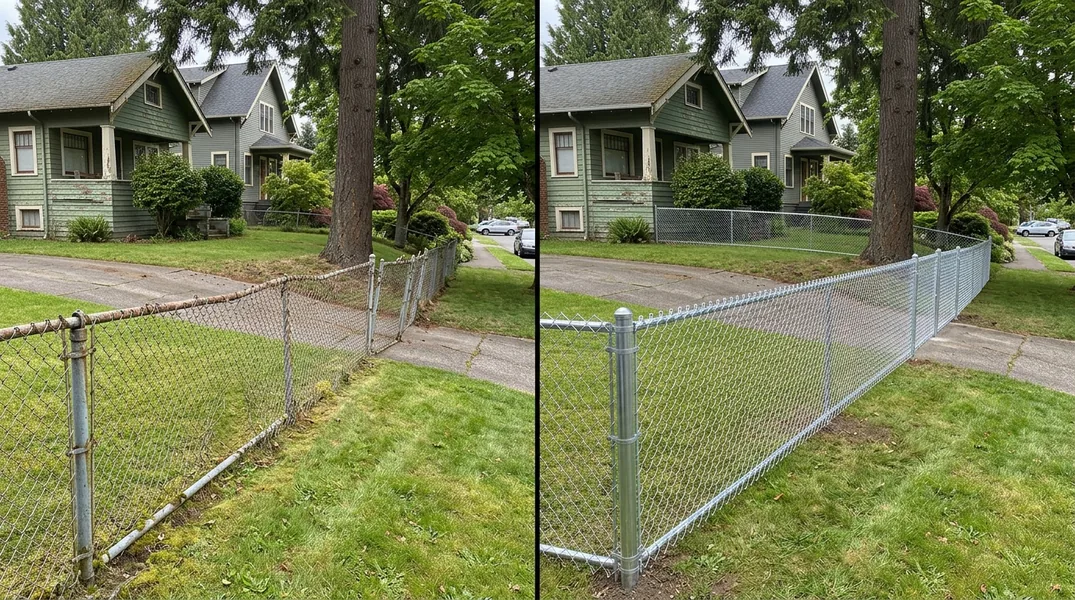
Chain Link Fence Installation offers the most budget-friendly option for homeowners who prioritize affordability and functionality over privacy and aesthetics. Chain link fences are durable, require minimal maintenance, and can last 15 to 20 years or more with occasional care. The galvanized or vinyl-coated steel mesh resists rust and corrosion, making it suitable for Seattle's moist environment. Chain link is ideal for defining property boundaries, containing pets, or creating secure enclosures around utility areas or gardens.
The main drawback of chain link fencing is the lack of privacy, as the open mesh design allows clear sightlines through the fence. Many Seattle neighborhoods have aesthetic guidelines or homeowner association requirements that discourage chain link in front yards, though it remains acceptable for side and back yards. The metal framework and posts can occasionally shift or lean, particularly in areas with poor soil drainage or after heavy storms, though structural failure is less common than with wood fencing. If you do experience a leaning fence situation with chain link, the repair is typically more straightforward than addressing wood rot or vinyl damage. For homeowners seeking maximum value and willing to sacrifice privacy for affordability, chain link remains a practical choice.
Wood & Privacy Fence Installation Cost in Seattle: What to Budget
Understanding the financial investment required for each fencing material helps you make a decision aligned with your budget and long-term financial goals. Cedar Wood & Privacy Fence Installation typically costs between 15 and 25 dollars per linear foot for materials and professional installation in the Seattle area, making it the least expensive option upfront. However, this initial savings can evaporate quickly when you factor in regular maintenance costs. Annual or biennial staining and sealing can add 3 to 8 dollars per linear foot annually, and emergency repairs for rot or structural damage can run into thousands of dollars.
Vinyl fencing usually ranges from 25 to 40 dollars per linear foot installed, representing a significant upfront investment compared to cedar. However, when you calculate the total cost of ownership over 20 to 30 years, vinyl often proves more economical because it eliminates ongoing maintenance expenses and rarely requires major repairs. Chain link fencing is the most affordable option at 8 to 15 dollars per linear foot, though it offers the least privacy and aesthetic appeal. For a detailed breakdown of costs specific to your project and property, contact Seattle Fence Pros at (425) 696-3219 or request a free estimate to compare all three options with actual quotes from our experienced team.
Maintenance and Longevity: Planning for the Long Term
The true cost of any fence extends beyond the initial installation and encompasses years of maintenance, repairs, and eventual replacement. Cedar fencing demands the most intensive ongoing care, with regular inspections for signs of rot, pest damage, or weathering. Seattle homeowners with cedar fences should plan for annual or biennial maintenance visits and budget accordingly. Rotted fence posts are one of the most common problems we encounter, and addressing them promptly is essential to prevent structural failure and safety risks. Early intervention with rotted fence post repair can sometimes save the fence, but severe rot often necessitates fence post replacement to restore stability.
Vinyl fencing requires virtually no maintenance beyond occasional cleaning, making it ideal for busy homeowners or those who simply prefer not to worry about their fence's upkeep. The material's resistance to rot, insects, and weathering means you can expect consistent performance throughout its lifespan without surprise repair bills. Chain link fencing falls somewhere in the middle, requiring occasional inspection for rust spots and minor repairs but far less attention than wood. When considering which material to choose, think beyond the next few years and imagine your fence 10, 15, or 20 years from now. The material that requires the least maintenance and offers the longest reliable service life may ultimately be the wisest investment for your Seattle home.
Looking for a professional tree service in Seattle? Seattle Fence Pros responds fast for all your fence needs.
Get a Free Quote