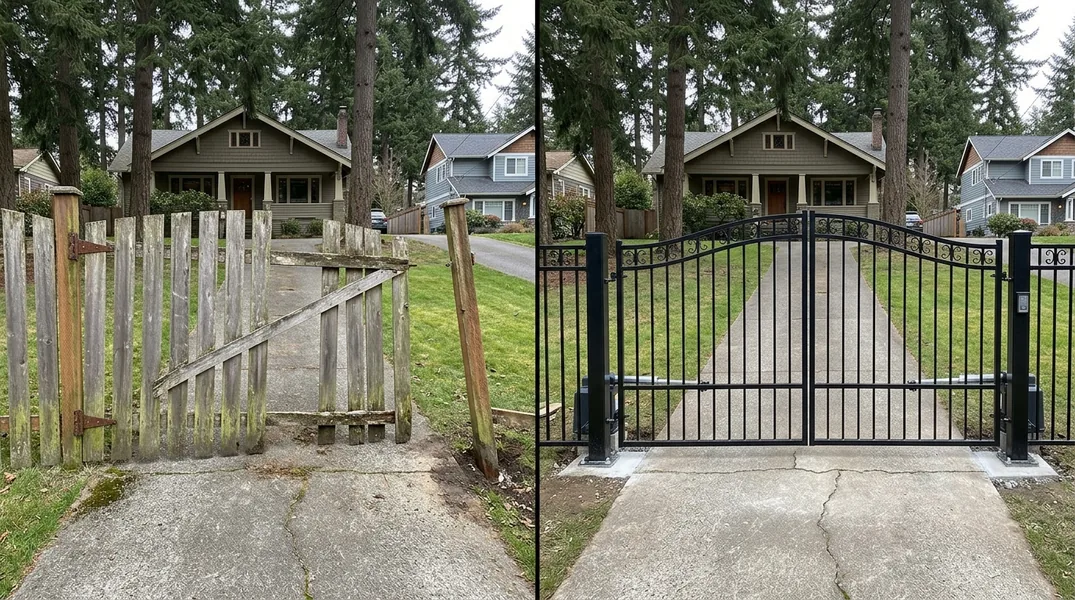
Cedar Fences in Seattle's Rainy Environment: Realistic Expectations
If you're considering a Wood & Privacy Fence Installation in Seattle, cedar is often the first material that comes to mind. It's beautiful, naturally aromatic, and provides excellent privacy. However, the Pacific Northwest's notorious wet climate presents unique challenges for wood fences that homeowners need to understand before making an investment.
Cedar naturally resists rot and insect damage better than many softwoods, which is why it's a popular choice for fences in rainy regions. That said, Seattle's climate of frequent moisture, mild winters, and occasional freeze-thaw cycles can still take a toll on cedar over time. Most cedar fences in Seattle last between 15 and 20 years with proper care, though some well-maintained fences have been known to last 25 years or longer. The key difference between a fence that fails prematurely and one that stands the test of time often comes down to maintenance, installation quality, and local environmental factors.
Factors That Affect Cedar Fence Longevity in the Pacific Northwest
Several environmental and maintenance factors directly influence how long your cedar fence will last in Seattle's wet climate. Ground contact is one of the most critical issues. Cedar posts that sit directly in soil or constantly touch wet grass are far more susceptible to rot than those installed with proper concrete footings and a small air gap above ground level. When water pools around the base of fence posts, decay accelerates dramatically, often reducing fence lifespan by five years or more.
Drainage and shade also play significant roles in cedar fence durability. Fences installed in areas with poor drainage or heavy shade from trees take longer to dry after rain, creating an ideal environment for fungal growth and rot. Conversely, fences that receive regular sunlight and are positioned where water drains away naturally tend to perform better. Additionally, the quality of the cedar lumber itself matters tremendously. Premium grade cedar with tighter grain and fewer knots resists weathering better than construction-grade lumber, though it comes at a higher upfront cost.
Finally, proximity to salt air or road salt can accelerate deterioration in some parts of the greater Seattle area. Coastal communities and neighborhoods near heavily salted roads may see reduced fence lifespans compared to inland locations with less salt exposure.
Wood & Privacy Fence Installation Cost in Seattle: What to Budget
Understanding fence costs is essential when planning your project. The cost to fence a yard with cedar varies based on several factors, including fence height, wood grade, site conditions, and local labor rates. In Seattle, most homeowners can expect to pay between $25 and $50 per linear foot for a cedar privacy fence installation, though premium materials and complex installations may cost more. This means a 150-linear-foot fence typically ranges from $3,750 to $7,500 in total project cost.
The fence cost per linear foot breaks down into material costs (roughly 50 to 60 percent) and fence installation labor cost (40 to 50 percent). Material expenses depend on cedar grade, post spacing, and whether you choose standard or premium pickets. Labor costs in the Seattle area reflect the region's competitive market and the expertise required for proper installation in our challenging climate. Professional installation ensures correct post depth, adequate drainage, and structural integrity, which directly impacts your fence's longevity.
If budget is a concern, you might also consider Vinyl & PVC Fence Installation as an alternative. While vinyl typically costs more upfront (often $40 to $60 per linear foot), it requires virtually no maintenance and lasts 30+ years in Seattle's climate, potentially offering better long-term value. To get an accurate quote for your specific project, contact Seattle Fence Pros at (425) 696-3219 or request a free estimate.
Maintenance Tips to Extend Your Cedar Fence Lifespan
Proper maintenance is the single most important factor in maximizing how long your cedar fence lasts. In Seattle's wet climate, an annual inspection is essential. Look for signs of rot, particularly around the base of posts and where pickets meet rails. Soft spots, discoloration, or wood that crumbles easily under pressure are red flags that treatment or replacement is needed soon.
Sealing or staining your cedar fence every two to three years is one of the best investments you can make. A quality exterior wood sealant or semi-transparent stain protects the wood from UV damage and moisture penetration, significantly extending the fence's life. Many Seattle homeowners find that spring is the ideal time to seal their fences, after winter weather has passed and before the summer sun arrives. Additionally, keep vegetation trimmed back from the fence line to improve air circulation and allow the wood to dry more quickly after rain.
Drainage maintenance around your fence is equally important. Ensure that water doesn't pool at the base of posts, and consider installing gravel or a slight grade slope away from the fence to promote drainage. Remove any debris that accumulates against the fence, and trim low-hanging branches to reduce moisture retention. These simple steps can add years to your cedar fence's life and prevent costly repairs down the road.
When to Consider Alternatives to Cedar Fencing
While cedar is an excellent choice for many Seattle homeowners, it's not the right solution for every situation. If you're looking for a fence that requires minimal maintenance or offers superior longevity, alternatives may be worth considering. Vinyl & PVC Fence Installation offers exceptional durability in wet climates, resists rot and insect damage completely, and never needs staining or sealing. Vinyl fences typically last 30 to 40 years with nothing more than occasional cleaning.
Aluminum & Ornamental Iron Fencing is another low-maintenance option that works well in Seattle's climate. Aluminum resists rust and corrosion, making it ideal for our moist environment. For those seeking affordability and durability, Chain Link Fence Installation provides a practical solution, though it offers less privacy than cedar.
The best choice depends on your priorities. If aesthetics and natural beauty are paramount and you're willing to commit to regular maintenance, cedar is hard to beat. If you prefer a set-it-and-forget-it approach, vinyl or aluminum may be more suitable. Seattle Fence Pros can help you weigh the pros and cons of each material for your specific needs. Call (425) 696-3219 today or request a free estimate to discuss which fencing option is right for your home.
Professional Installation: The Foundation of Fence Longevity
No matter which material you choose, professional installation is crucial to ensuring your fence reaches its full lifespan potential. Improper installation is one of the leading causes of premature fence failure in Seattle. Posts set at insufficient depth, inadequate concrete footings, or poor drainage planning can undermine even the highest-quality materials.
Seattle Fence Pros brings decades of experience installing fences in the Pacific Northwest's challenging climate. We understand how to properly set posts to resist heaving during freeze-thaw cycles, ensure adequate drainage to prevent rot, and select materials that will thrive in Seattle's wet environment. Professional installers also have access to higher-quality materials and specialized tools that homeowners typically don't have, resulting in a more durable and attractive finished product. When you invest in a fence, investing in professional installation protects that investment and ensures years of reliable performance. Contact Seattle Fence Pros at (425) 696-3219 to schedule your consultation and learn more about how we can help you build a fence that lasts.
Looking for a professional tree service in Seattle? Seattle Fence Pros responds fast for all your fence needs.
Get a Free Quote