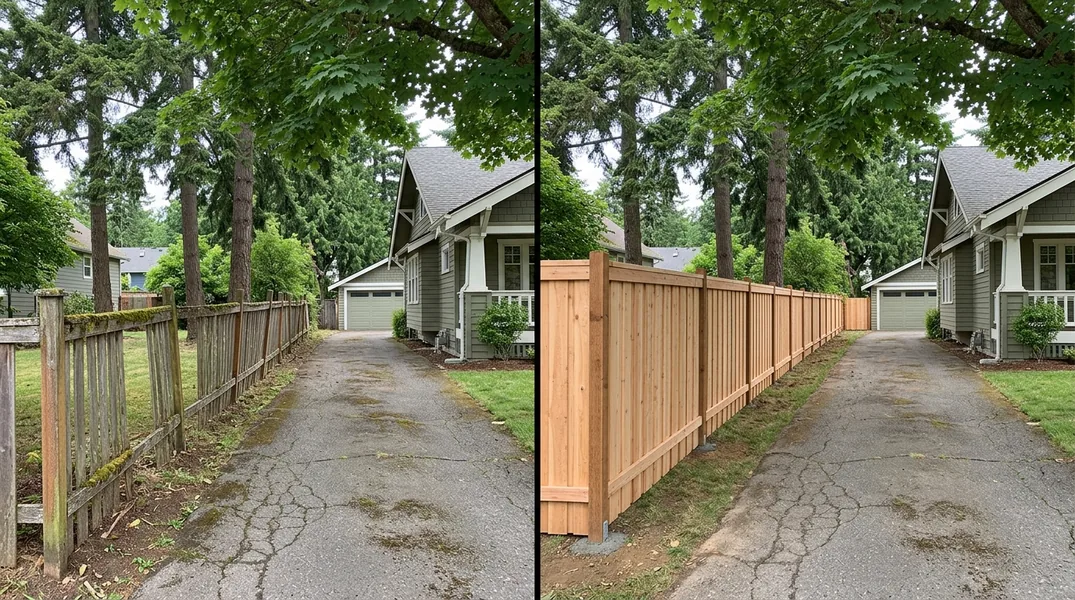
Understanding Seattle's Windstorm Problem and Your Fence
If you live in Seattle, you know that windstorms are more than just an inconvenience. They're a seasonal reality that can wreak havoc on residential structures, and your fence is often the first casualty. Every fall and winter, homeowners across the region watch their fences take a beating from gusts that can exceed 50 miles per hour. Understanding which fence types fail first during these storms is essential for making smart decisions about your property's protection.
The Pacific Northwest's unique geography creates a perfect storm, literally. Cold air from Canada collides with warm, moist air from the Pacific Ocean, generating powerful windstorms that sweep through Seattle and surrounding communities. Your fence stands directly in the path of these forces, absorbing punishment that most homeowners don't fully anticipate when they first install one. The good news is that understanding failure patterns can help you choose the right fence material and installation method to withstand what Mother Nature throws at you.
Why Wood Fences Fail First in High Winds
Wood & Privacy Fence Installation remains the most popular choice for Seattle homeowners, but wood is also the most vulnerable to windstorm damage. Wood fences fail first during high winds for several interconnected reasons. The material itself acts like a sail, catching wind and creating enormous lateral pressure on the posts and panels. Unlike solid materials, wood absorbs moisture from the Pacific Northwest's wet climate, which weakens the grain structure and reduces the wood's ability to flex and recover from wind stress. Over time, this moisture absorption combined with UV exposure causes wood to become brittle and prone to cracking and splitting.
The installation method matters enormously. Many wood fences fail not because of the wood itself, but because the posts weren't set deep enough or the concrete footings weren't properly compacted. Posts need to be buried at least 30 to 36 inches deep in most soil conditions, with concrete extending several inches above ground. If your fence was installed with shallow post holes or inadequate concrete, even moderate windstorms can topple entire sections. Additionally, wood fences that haven't been properly maintained deteriorate faster. Rotting wood at the base of posts significantly weakens the structural integrity, making failure almost inevitable when strong winds arrive.
Chain Link and Vinyl Fences: Better Wind Resistance
Chain Link Fence Installation and Vinyl & PVC Fence Installation both perform better than wood during windstorms, but for different reasons. Chain link fences are inherently flexible and allow wind to pass through the mesh rather than catching it like a sail. This flexibility means that chain link fences can bend and move with the wind without breaking, which is why they're commonly used in areas prone to severe weather. The mesh design distributes wind pressure evenly across the entire fence rather than concentrating it on individual panels. However, chain link fences can still fail if the posts are inadequately installed or if the tension in the mesh has loosened over time.
Vinyl fencing offers excellent wind resistance when properly installed because PVC material is engineered to withstand both UV exposure and moisture without degrading. Unlike wood, vinyl doesn't rot, warp, or become brittle. The panels are typically lighter than wood but more rigid than chain link, creating a balance between wind deflection and structural strength. However, vinyl's weakness lies in its brittleness in extreme cold. During severe windstorms combined with freezing temperatures, vinyl panels can crack or shatter. The key to vinyl success in Seattle's climate is ensuring proper installation with adequate post spacing and high-quality concrete footings. Both vinyl and chain link require professional installation to maximize their wind resistance.
Post Installation and Foundation Failures: The Real Culprit
Here's what many homeowners don't realize: fence failures during windstorms are rarely about the fence material itself. They're about the foundation. The posts are where approximately 80 percent of windstorm-related fence failures originate. Posts that aren't set correctly will fail regardless of whether your fence is constructed from premium pressure-treated lumber, commercial-grade vinyl, or heavy-duty chain link. The concrete footing is essentially the anchor that holds your entire fence system in place against lateral wind forces.
Professional fence installation requires posts to be set in concrete that extends below the frost line. In the Seattle area, the frost line typically reaches 12 to 18 inches, but many professionals recommend going deeper for better stability. The concrete should be mixed to proper specifications and allowed to cure fully before any stress is placed on the fence. Additionally, the diameter of the concrete footing matters significantly. A narrow concrete collar around a post will fail before a properly sized, bell-bottomed footing that distributes the load across a wider area. Improper drainage around the footing can also cause the concrete to heave during freeze-thaw cycles, destabilizing the post over time.
Pool Fence Installation and Code Compliance: Wind Resistance Matters
If you have a swimming pool, your fence requirements are even more stringent than standard residential fencing. Pool fence installation must meet specific safety codes, and those codes directly impact wind resistance. Pool fence code requirements in Washington State mandate that fencing be at least 48 inches high with specific spacing requirements for pickets or mesh. A self closing pool gate is required by code, and this mechanical component must function reliably regardless of wind conditions. Additionally, pool fence height requirements mean that pool fencing catches more wind than standard residential fencing, making proper post installation and material selection even more critical.
The good news is that code-compliant pool fencing, when properly installed, is inherently designed to withstand significant wind loads. The height requirement forces deeper post installation and more robust materials. However, pool fence installation near me should always be handled by professionals who understand both the safety codes and the wind engineering principles that apply to your specific location. A poorly installed pool fence that fails during a windstorm creates both a liability issue and a safety hazard. When considering pool fencing options, discuss wind resistance explicitly with your installer and verify that they're familiar with Seattle's specific weather challenges and local code requirements.
How to Protect Your Fence Before Storm Season Arrives
The best time to address windstorm vulnerability is before the storms arrive, not after your fence is damaged. Start by having a professional inspection of your existing fence, paying particular attention to post stability. Walk along your fence and gently push on each section. If panels move excessively or posts shift, you have a problem that needs immediate attention. Look for signs of wood rot, loose hardware, or damaged panels. Check the ground around each post for settling or erosion that might indicate inadequate drainage or loose concrete. If your fence is more than ten years old and hasn't been professionally inspected, now is the time to get a free estimate from a qualified local contractor.
For wood fences, maintenance is critical. Apply a weather-resistant sealant every two to three years to protect the wood from moisture absorption. Trim any trees or large shrubs near your fence that might create additional wind pressure or drop branches during storms. For all fence types, ensure that post spacing is adequate and that no posts are leaning or showing signs of movement. If you're considering a new fence installation, choose materials and installation methods specifically designed for Seattle's climate. Professional contractors understand local wind patterns and can recommend the best solution for your specific property. Seattle Fence Pros can help you evaluate your current fence's vulnerability and recommend upgrades or replacement options that will provide reliable protection against windstorms. Call us at (425) 696-3219 to discuss your fence concerns.
Looking for a professional tree service in Seattle? Seattle Fence Pros responds fast for all your fence needs.
Get a Free Quote