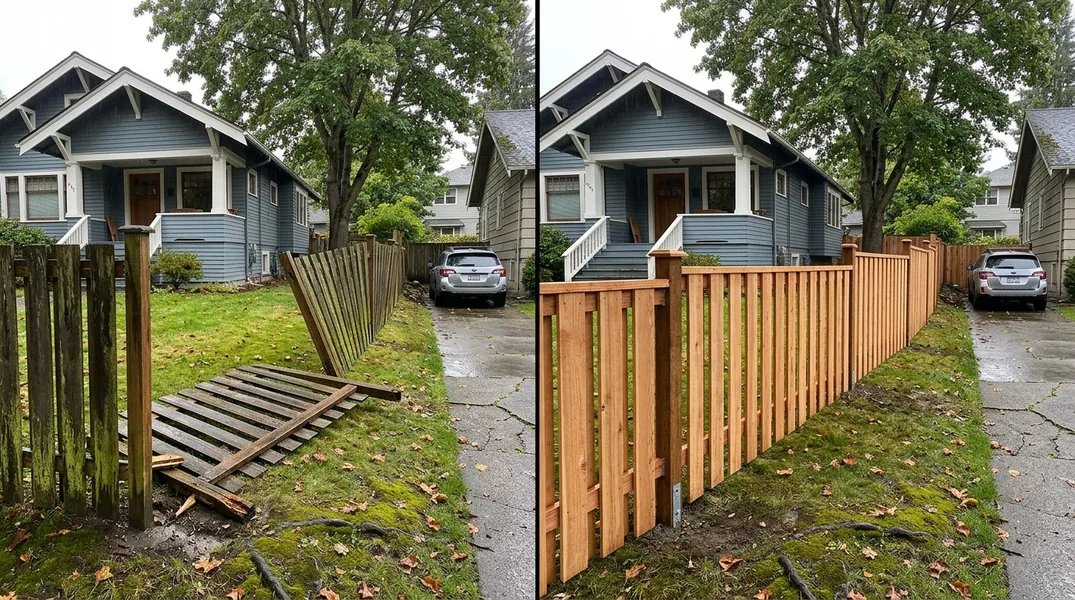
Understanding Property Line Fences in Seattle's Tight Infill Lots
Seattle's real estate market has transformed dramatically over the past decade, with many neighborhoods experiencing infill development. Tight infill lots, where homes sit close together with minimal setbacks, have become increasingly common throughout the city. These compact properties create unique challenges when it comes to fencing, especially when you want to install a fence directly on or near the property line.
If you own a home on a tight infill lot in Seattle, you've likely wondered about the legality and logistics of building a fence right on the property boundary. The answer isn't always straightforward, as it depends on local zoning codes, easements, utility lines, and your relationship with your neighbor. Understanding these factors before you start planning your Wood & Privacy Fence Installation project can save you time, money, and potential legal headaches down the road.
Who Pays for a Fence Between Neighbors? The Legal Reality
One of the most common questions homeowners ask is: who pays for a fence between neighbors? The answer varies depending on your state and local laws, as well as whether the fence is being built for the first time or replacing an existing one. In Washington State, there is no blanket law requiring one neighbor to pay for a boundary fence. Instead, the responsibility typically falls on the property owner who initiates the fence project.
This means if you want to build a new Wood & Privacy Fence Installation on the property line, you generally bear the full cost, unless you and your neighbor agree to share expenses. However, if a fence already exists and your neighbor benefits from it (for example, it contains their dog or provides them privacy), some jurisdictions allow you to seek contribution from them for maintenance or replacement costs. It's wise to check with the City of Seattle's permitting office or a local attorney to understand your specific situation before proceeding.
Fence on Property Line: Setback Requirements and Local Code
Building a fence on the property line sounds straightforward, but Seattle's zoning code includes specific requirements that can complicate matters. Many residential zones require fences to be set back a certain distance from the property line, particularly in front yards. These setback requirements exist to maintain sight lines, pedestrian safety, and neighborhood aesthetics. Depending on your lot's zoning designation and whether your fence is in a front, side, or rear yard, you may not be able to place it exactly on the boundary.
For rear yards on residential lots, setbacks are often more lenient, and you may have more flexibility. However, you'll also need to account for utility easements, which are common on properties throughout Seattle. Utility companies need access to underground lines and infrastructure, and they can require you to remove or relocate a fence if it interferes with their easement. Before finalizing your fence design, obtain a survey or contact your local utility companies to confirm there are no conflicts. The professionals at Seattle Fence Pros can help you navigate these requirements and ensure your project complies with all local codes.
Neighbor Fence Law: What You Need to Know Before Building
Washington State doesn't have a 'good neighbor fence law' that mandates shared costs for boundary fences, but it does have laws protecting property rights and establishing dispute resolution processes. Before you build, it's essential to have a clear conversation with your neighbor about your plans. A simple discussion can prevent misunderstandings and potential disputes that could lead to costly legal action.
Some neighbors are happy to share the cost of a new fence, especially if it benefits both properties. Others may prefer a different style or material than what you're planning. In some cases, neighbors have legitimate concerns about how a fence might affect their property, views, or drainage. Washington law does require that fences be 'lawful' and 'reasonably necessary' for the purposes of the property owner. If a dispute arises, you may be able to seek mediation through King County or pursue legal action, but both options are time-consuming and expensive. Getting written agreement from your neighbor before construction begins is the best way to protect yourself and maintain a positive relationship.
Good Neighbor Fence Practices: Communication and Documentation
Even if you're not legally required to consult your neighbor, doing so is a smart practice that embodies the spirit of a 'good neighbor fence' approach. Start by sharing your plans, including the fence style, materials, height, and exact location. If possible, provide a sketch or photo showing how the fence will look from both sides. Some homeowners are surprised to learn that a fence they thought would be attractive from their yard looks very different from their neighbor's perspective.
If you and your neighbor agree to share costs, get that agreement in writing. Document the cost split, who will handle the installation, and how disputes will be resolved. This protects both parties and prevents misunderstandings later. If you're installing Wood & Privacy Fence Installation or another fence type, ask Seattle Fence Pros for a detailed estimate that you can share with your neighbor. Transparency about pricing and materials builds trust and makes cost-sharing negotiations much easier. Many boundary fence disputes stem not from the fence itself but from poor communication and unmet expectations.
Wood & Privacy Fence Installation Cost in Seattle: What to Budget
The cost of installing a privacy fence on or near a property line in Seattle depends on several factors: the fence material, the length of the boundary, local labor rates, and whether you need permits or surveys. A wood privacy fence is a popular choice for Seattle homeowners because it provides excellent privacy, blends well with the region's landscape, and offers good value. However, costs can vary significantly based on wood quality, style, and site conditions.
Seattle's wet climate means that wood fences require regular maintenance to prevent rot and decay, which affects long-term ownership costs. Some homeowners prefer Vinyl & PVC Fence Installation for its durability and lower maintenance, though the upfront investment is typically higher. To get an accurate estimate for your specific project, including any necessary permits or surveys, contact Seattle Fence Pros for a free estimate. We'll assess your property, review local code requirements, and provide transparent pricing so you can budget confidently. You can reach us at (425) 696-3219 to discuss your tight infill lot fencing needs.
Getting Professional Help: Wood & Privacy Fence Installation Near Me
Installing a fence on or near a property line involves more than just choosing materials and building. You need to ensure the project complies with Seattle's zoning code, obtains necessary permits, respects utility easements, and maintains good neighbor relations. This is where professional expertise makes a real difference. Seattle Fence Pros has years of experience helping homeowners navigate the complexities of boundary fences on tight infill lots throughout the region.
Our team understands local regulations, can help coordinate surveys and permit applications, and will work with you to communicate clearly with your neighbor. We've handled countless projects where careful planning and professional installation prevented conflicts and delivered results that both neighbors appreciate. Whether you're interested in Wood & Privacy Fence Installation, Vinyl & PVC Fence Installation, or another option, we're here to guide you through the process. Contact Seattle Fence Pros today at (425) 696-3219 or visit our website to schedule a free estimate and take the first step toward a properly installed boundary fence that works for everyone involved.
Looking for a professional tree service in Seattle? Seattle Fence Pros responds fast for all your fence needs.
Get a Free Quote