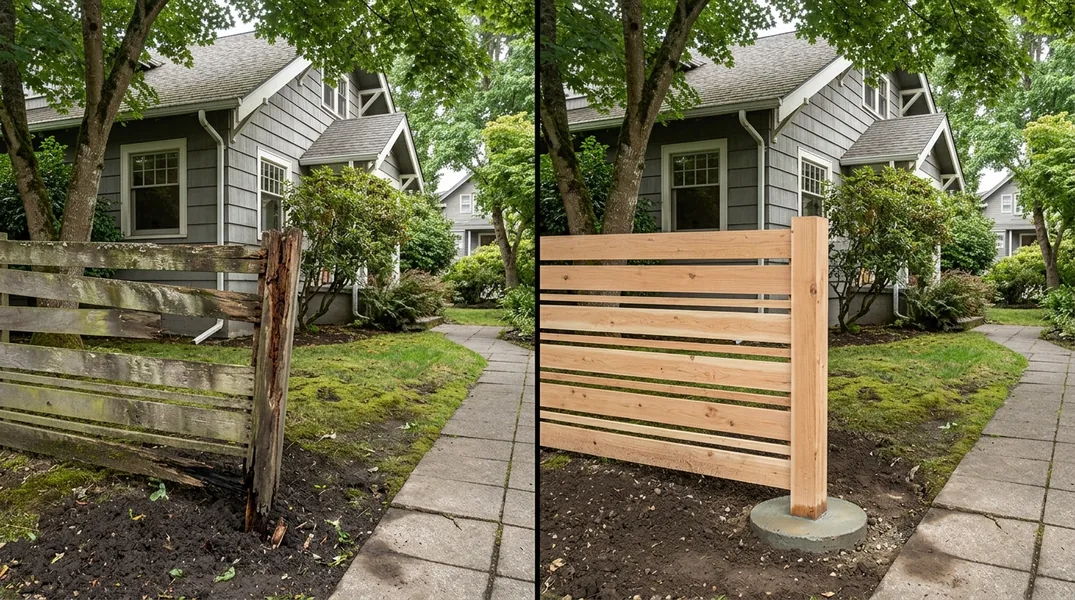
Understanding Seattle's Unique Soil Composition
If you've ever tried to dig a fence post hole in Seattle, you know it's not like working in loose, sandy soil. The Puget Sound region sits on glacial deposits left behind thousands of years ago, and this geological legacy creates real challenges for fence installation. The layer known as glacial hardpan is essentially compacted clay, silt, and rock fragments that can be rock-hard when dry and slippery when wet. This isn't just an inconvenience; it fundamentally affects how deep you can dig, how stable your posts will be, and ultimately, how long your fence will last.
The hardpan layer typically begins anywhere from 12 to 36 inches below the surface, depending on your exact location in the Seattle area. When a fence post auger or shovel hits this layer, progress slows dramatically. Many homeowners and inexperienced installers don't account for this, leading to posts that are set too shallow or at inconsistent depths. Over time, freeze-thaw cycles, water saturation, and soil settling can cause posts to shift, tilt, or heave, leaving your fence looking crooked or, worse, structurally compromised within just a few years.
Why Glacial Hardpan Causes Fence Post Failure
The primary reason fence posts struggle in hardpan soil comes down to moisture and expansion. When you have a post set in compacted glacial material, water doesn't drain away as it would in sandy or loamy soil. Instead, it pools around the post base, especially during Seattle's long, wet winters. This moisture causes the soil to expand and contract with temperature changes, putting lateral pressure on the post. If your post isn't set deep enough or in properly compacted backfill, this pressure will gradually work the post loose from its foundation.
Additionally, the hardpan layer itself can trap water just above its surface, creating a perched water table. This means the soil around your fence posts remains saturated for months at a time. Wooden posts are particularly vulnerable in this environment. Even pressure-treated wood will eventually absorb moisture and begin to rot at the soil line. Concrete footings can crack and heave as frozen soil expands in winter. The combination of hardpan's impermeability and Seattle's rainfall makes post failure not just possible, but statistically likely if installation methods don't account for local soil conditions.
Do I Need a Permit for a Fence in Seattle?
Yes, you do need a permit for most fence installations in Seattle. The city requires a fence permit before you install, repair, or replace any fence that exceeds certain height thresholds or serves as a boundary fence. This isn't just bureaucratic red tape; permits exist to ensure your fence meets building codes, setback requirements, and safety standards. They also protect you legally by creating an official record that your fence was installed to code.
The permit process in Seattle typically involves submitting a site plan, fence design details, and proof of property lines. The city reviews these documents to verify compliance with zoning regulations, height restrictions, and setback distances from the street and property lines. Depending on your neighborhood, there may be additional requirements from homeowners associations or historic district guidelines. While the permit process adds a few weeks to your project timeline, skipping it can result in fines, citations, or being forced to remove or modify your fence after installation. Seattle Fence Pros handles the permit paperwork as part of our Wood & Privacy Fence Installation service, ensuring everything is done correctly from the start.
Fence Height Regulations and HOA Approval in Seattle
Seattle's fence height regulations vary depending on where your property is located and what type of fence you're installing. Generally, residential privacy fences can be up to six feet tall in your backyard, but front yard fences are typically limited to four feet. These measurements are taken from the average finished grade of your lot. If your property sits on a slope or has significant elevation changes, the city calculates height differently, which is why professional installation matters. Additionally, setback requirements dictate how far your fence must be from property lines and the street.
If you live in a community with a homeowners association, you'll need HOA approval for your fence before installation begins. Many HOAs have design guidelines specifying approved materials, colors, styles, and heights. Some require fences to match existing neighborhood aesthetics or maintain specific sight lines for safety. Getting HOA approval upfront prevents costly mistakes and delays. Even if you don't have an HOA, checking with your city's planning department or hiring a professional installer familiar with local regulations ensures your fence meets all requirements. Seattle Fence Pros knows the height regulations and HOA requirements across the areas we serve, so we can guide you through the approval process and ensure your fence is compliant before a single post goes in the ground.
Fence Permit Cost in Seattle: What to Budget
The fence permit cost in Seattle typically ranges from $150 to $400, depending on the scope of your project and whether you need multiple permits for different sections of your property. The city charges based on the estimated value of the fence improvement, so a large privacy fence project will cost more to permit than a small gate or repair. In addition to the city permit fee, you may incur costs for a surveyor if your property lines need to be verified, which can add another $300 to $600 to your pre-installation expenses.
When budgeting for your entire fence project, factor in the permit cost along with materials and labor. The total investment in a properly installed Wood & Privacy Fence Installation that accounts for Seattle's challenging soil conditions will be higher than a quick, shallow installation, but it's money well spent. A fence that's set properly to handle glacial hardpan and Seattle's wet climate will last 15 to 20 years or more, whereas a poorly installed fence might need replacement in five to seven years. For a detailed breakdown of what your specific project will cost, including permits, materials, and labor, contact Seattle Fence Pros at (425) 696-3219 or request a free estimate today.
Professional Installation: The Solution for Seattle's Soil Challenges
Installing fence posts correctly in Seattle's glacial hardpan requires specialized knowledge and equipment. Professional installers understand that you can't simply dig a hole, drop in a post, and backfill with whatever soil is available. Instead, proper installation involves breaking through or working around the hardpan layer, using the right depth for your soil type, and employing drainage solutions to manage water around the post base. Many professionals in Seattle use deeper post holes (three to four feet instead of the standard two to three feet) and concrete footings that extend below the frost line to prevent heaving.
Additionally, experienced installers choose fence materials and construction methods that perform well in wet, challenging soil. Vinyl & PVC Fence Installation offers advantages over wood in moisture-prone environments, as vinyl doesn't rot and requires less maintenance. Alternatively, Aluminum & Ornamental Iron Fencing provides durability and aesthetic appeal without the rot concerns of wood. Whatever material you choose, working with a local professional who understands Seattle's soil, climate, and permit requirements ensures your fence investment will serve you reliably for years to come. Reach out to Seattle Fence Pros at (425) 696-3219 to discuss your project and learn how we address the unique challenges of fence installation in the Seattle area.
Looking for a professional tree service in Seattle? Seattle Fence Pros responds fast for all your fence needs.
Get a Free Quote